
Learn Japanese with Anime and Manga
How I got into languages
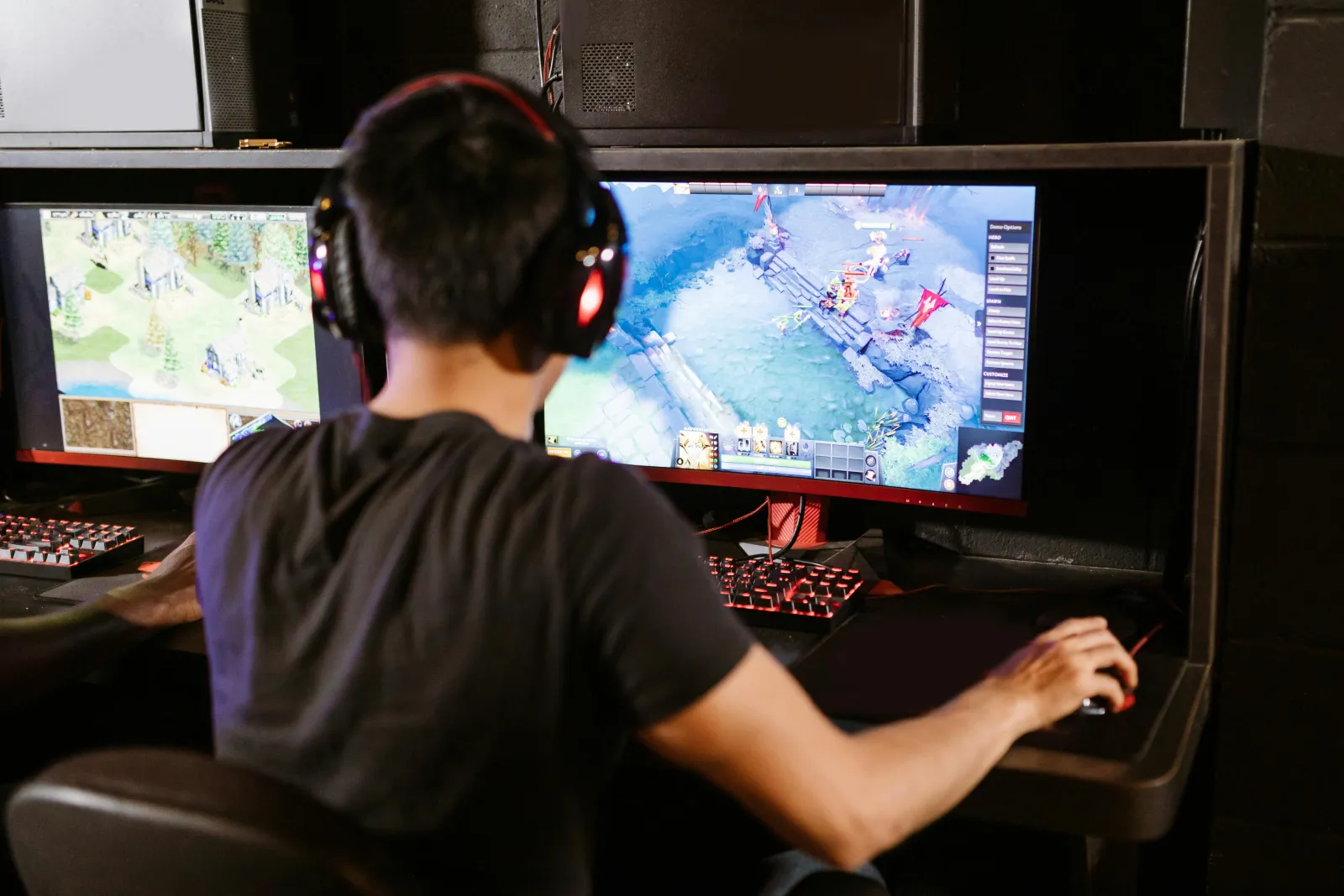
Strangely enough I will start off talking about my experience learning English, as I believe the same approach could be applied to learning Japanese. My actual journey with English started at the age of 16 when I started playing video games on international servers and quickly recognized the importance of a common language. Sure, I had beginner classes in school before that but I wasn't a huge fan of paying attention at school so I didn't really retain much.
When I finally buckled down and decided to study English I quickly hit a roadblock... how do I do that? Since I wasn't a very academic type I soon determined that using traditional methods like textbooks and classes was not an option. Traveling to a foreign country? Well that's pretty expensive and time consuming. I didn't know any better so I just kept playing games and learning bits and pieces along the way. This combined with occasional pop-quizzes I took online in my native language gave me the foundation that I needed to at least understand the majority of everyday English.
I don't even remember too many details about the initial stages since it was so effortless and fast. However I do remember a lot of details about the rest of the journey. Trust me when I say that learning the bulk of a language is easy compared to learning the remaining 5 to 15%, that can be a life-long challenge. Our extensions don't deal with teaching the basics of Japanese, there is already SO MUCH good material out there. Our extensions aim to take an advanced beginner and help them get comfortable with immersion so they can enjoy the rest of the long learning journey.
The Tab method
I learned English almost exclusively in a browser, and since browser tabs played a major role in it I decided to call the method I used "The Tab method". At some point into my learning journey I realized that playing games may be a fun but not very effective way to learn a language, since usually they can't be easily paused or rewound. So I shifted my focus to a different type of media: movies and TV shows.
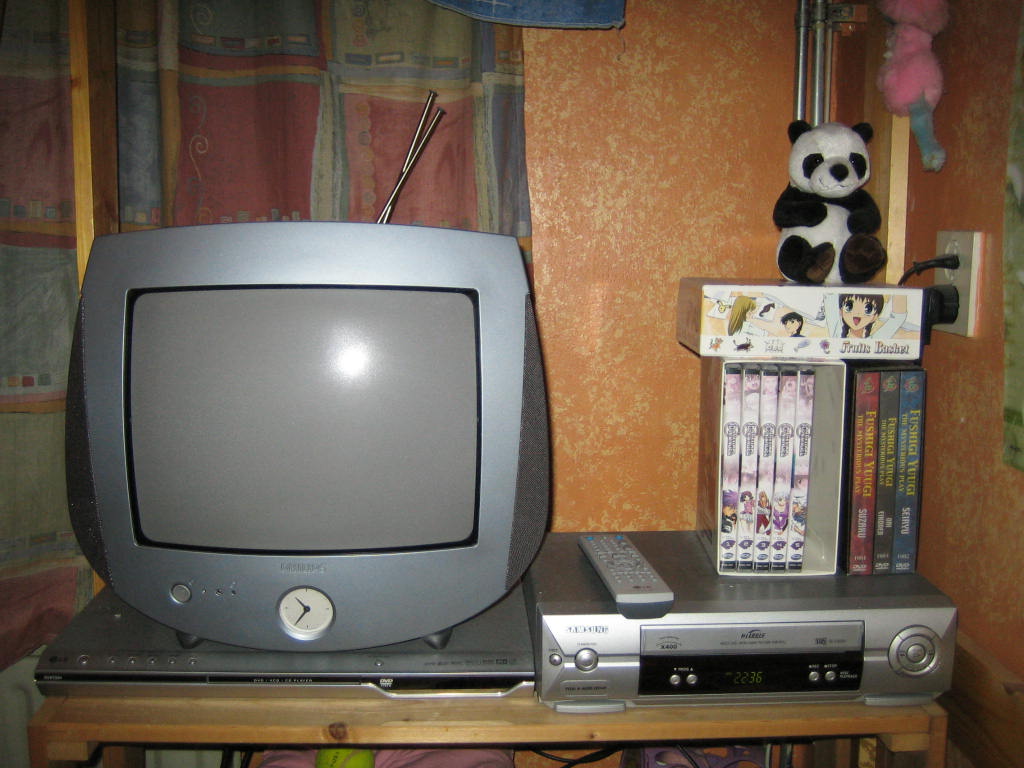
I always loved the telly but I never even considered that I could use it to learn a language. So I tried something. I watched a movie in English with English subtitles enabled. And it worked wonders! I started making so much progress that I became the go-to guy when it came to English. I also got into the habit of reading English websites and forums.
There was an issue though. The learning part consisted of me googling and looking up pretty much all the unknown words in various dictionaries. This was very time consuming and not much fun, to be honest. Soon enough I started to leave the tabs with dictionary entries open to come back to them later. There were times I had 50+ tabs open and every time I restarted the browser I brought them back up via history.
At first it was because of laziness but later I started to use it as a simple review tool. I would have these study sessions where I went over the tabs and quickly reviewed the words in them, closing the tabs with the words I already recognized a couple of times before. I guess you could call it poor man's Anki. The remaining part (90%) was me simply reading and watching content in English and opening new tabs with new words.
How this differs from Anki
Anki doesn't expect you to do any external reviews and you're provided with the perfect algorithm and the perfect intervals for your reviews to learn over a very long time. The "Tab method" was a compromise where I allocated some time to doing a "short-term SRS" (few days or weeks) on a word which had to be finished quickly due to the ever growing memory demands of the open tabs. After that I was "done" with the word and let immersion be responsible for the reviewing, aka. if it's important it's going to come up again.
The Wordbook

What I did with English was very effective but not very fun. I did the same thing with Japanese and I remember taking like 4 hours to finish Spirited Away due to me constantly switching between the movie and the browser tabs and looking things up. Most people wouldn't put up with that, and I really wanted to incorporate this approach into our extension.
So I got to work and started thinking how I could make this whole process a bit more user-friendly. When I was finally happy with the outline of the main features I had to come up with a name... that's always the worst part. Introducing Wordbook, my attempt at implementing the Tab method in a way that is more appealing to casual learners and also way more efficient.
You can think of it as a storage where you can save any word (with its meanings) and sentences or sequences that you come across while immersing yourself. You can add a word by opening the Word popup and picking the senses or meanings of a dictionary entry. Once you pick at least one sense, the word is added to the Wordbook and you can review it later with multiple-choice style quizzes. I recommend marking all the senses of the dictionary entry that you don't know but feel free to skip some if they seem a little too silly to be worth remembering or if you already know them.
There is one thing I would have done differently back when I was learning English, and that's putting more focus on common words. This is why we have an Anime/Drama frequency rank in the Word popup, please use it! If you're struggling to recognize even basic or common words you probably shouldn't be adding words with low frequency (with some exceptions like the Anime's specific vocab).
You can also store sentence AI breakdowns to the Wordbook, which I find very useful and it goes way above and beyond what I did in my early days. The Wordbook is stored in a cloud database so you can access it from anywhere. This comes in handy since you can study your Wordbook items on your phone.
The Japanese in Anime and Manga
Now, I've never done or read any studies on this topic, so all I can give you is my opinion. The Japanese in Anime and Manga is... well Japanese, duh. It is still the same language you're trying to learn! It does have its quirks and oddities but the absolute majority of the language is shared with the normal everyday Japanese. You know, there is this huge shared bulk of Japanese that you have to learn one way or another so why not do it with the content you enjoy. Look at me, I learned English watching stuff like Breaking bad and I turned out fine, biiitch.
But in all seriousness, what I am going say is important and I cannot stress this enough: You HAVE TO also consume content outside Anime and Manga, ideally something normal and "boring" like vlogs on Youtube or if you're crazy enough you could even like... talk to Japanese people online! There is more to Japan than just Anime and Manga!
This way you get to correct some of the strange/uncommon things you come across in Anime. And eventually you'll develop a sense for knowing what to say or not to say in certain situations, like not calling your teacher Yuki-chan :-|
If you're curious how far a given show actually leans toward anime vocabulary rather than everyday Japanese, we measured it: 70 shows ranked by the vocabulary in their own subtitles, with a per-show breakdown of how anime-leaning each one is.
The Wordbook, the popup dictionary, and the AI breakdowns are all part of what the extension does if you want the full picture.
Future of the Wordbook
Caveat: by the time you read this blog some of these features might have already been implemented... or canceled :-|
The Wordbook is not complete yet and there are some things we would like to improve on. This will require a few iterations and lots of feedback, so please if you have some insight let us know on our Discord server or by email!
- Anki export. If you got the impression that I dislike Anki, that's not the case. I just have no use for it. But I understand that lots of people especially in the Japanese learning community LOVE Anki so I would like to facilitate bridging the gap between the short-term srs provided by the Wordbook and the long-term srs provided by Anki. First we will probably implement a feature to export the Wordbook incrementally (new items after a date) to a simple csv format and perhaps later add an Anki Connect adapter.
- More listening practice! I personally love reading and dislike just listening but I want to make some cool features to practice already familiar words in the context of listening.
- Interactive quizzes. This is a tough one but I could imagine practicing Wordbook items directly while watching anime with interactive quizzes inside the video player. We'll see how possible this is.